SRM Software for Manufacturing:
Automating Quality Control and Defect Management
LeanLinking’s SRM Software for Manufacturing is a centralized supplier governance platform that automates structured defect resolution workflows (e.g., NCR and SCAR), enforces documented root cause and corrective action processes (e.g., RCA and CAPA), and monitors supplier performance metrics to protect production continuity across manufacturing supply chains.
Purpose-Built SRM Software for Manufacturing Supplier Governance
LeanLinking is a specialized SRM software (internal linking to What is SRM) for manufacturing that centralizes supplier master data, enforces structured defect resolution workflows, and tracks measurable supplier performance metrics. By connecting quality teams, procurement, and plant operations within a single governance platform, LeanLinking ensures supplier defects, compliance documentation, and delivery reliability are managed before they disrupt the factory floor.
Centralized Supplier Data Governance
LeanLinking centralizes supplier master data, compliance documentation, and operational records in a controlled system of record, ensuring manufacturing teams always work with validated supplier information.
Automated Defect Resolution Workflows
Structured NCR and SCAR workflows enforce root cause investigation and corrective action documentation before defect cases can be closed or shipments resume.
Live Supplier Performance Monitoring
LeanLinking tracks measurable supplier performance indicators such as PPM defect rates and OTIF delivery reliability, allowing manufacturers to identify declining supplier performance before production is disrupted.
The Failure of Manual Management: Excel Silos and FDA Audit Risks
Many manufacturing organizations continue to manage supplier quality and compliance through Excel spreadsheets and Outlook email chains. While this approach appears flexible, it creates structural blind spots across supplier qualification, defect tracking, and corrective action enforcement.
When defect reports, compliance documentation, and corrective action evidence are scattered across inboxes and spreadsheets, manufacturers lose visibility into supplier performance and production risk. Manual oversight turns supplier quality into reactive firefighting rather than controlled governance.
Scattered Defect Records
Non-conformance reports, quality deviations, and incident reports are often buried across emails and spreadsheets, preventing manufacturers from maintaining a centralized defect history.
Unenforced Corrective Actions
Suppliers respond informally to defect notifications without documented root cause investigations or validated corrective action plans, allowing recurring production failures to persist.

No Centralized Traceability
When defect investigations and corrective action documentation are stored in attachments and personal folders, manufacturers lose the audit trail required to track supplier accountability.
Production Line Risk
Without structured supplier defect governance, recurring quality failures reach the factory floor, increasing PPM defect rates, slowing assembly lines, and triggering preventable production stoppages.
Core Pillars of Manufacturing Supplier Governance
Effective manufacturing governance rests on structured enforcement mechanisms that eliminate defect recurrence and compliance drift.
Automated Defect Management: NCRs, SCARs, and PPM Tracking
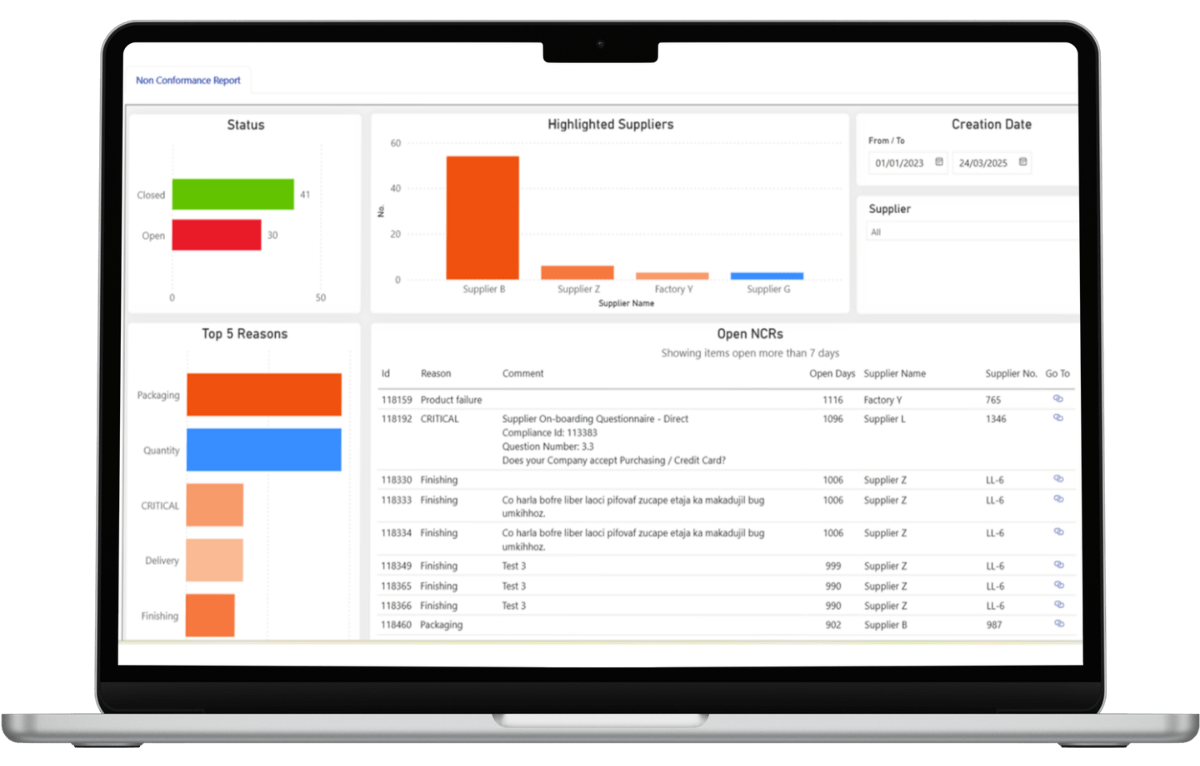
Manufacturing defect control begins with structured governance workflows. When a deviation is detected on the production floor, LeanLinking generates a formal defect report (e.g., NCR) and assigns it directly to the supplier. The supplier must submit documented root cause analysis and corrective action plans (RCA and CAPA) before the case progresses.
Structured corrective action requests (SCAR) enforce response timelines and approval requirements, while system status indicators track resolution progress and escalate overdue actions.
At the same time, LeanLinking monitors measurable defect performance metrics such as Parts Per Million (PPM) defect rates across suppliers, allowing Quality Directors to identify deteriorating performance before it becomes systemic production risk.
By flagging recurring defect patterns and validating corrective action effectiveness before closure, LeanLinking transforms defect handling from reactive communication into controlled, enforceable quality governance.
Supplier Pre-Qualification and Compliance Gatekeeping
Production continuity depends on qualified suppliers entering the manufacturing ecosystem.
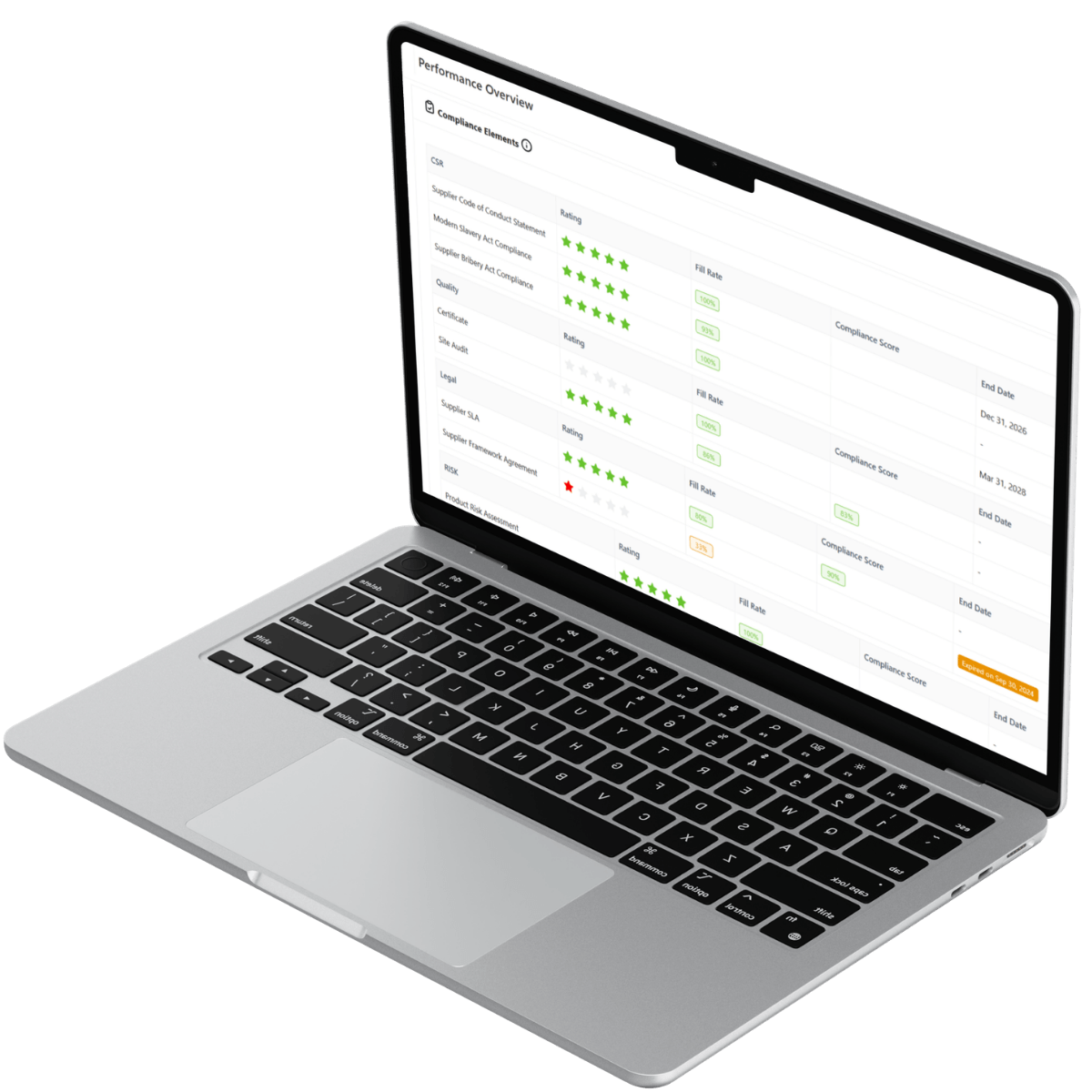
LeanLinking’s supplier pre-qualification must validate compliance documentation such as safety certifications (e.g., occupational health standards), environmental declarations (e.g., chemical compliance statements), and sourcing disclosures (e.g., conflict minerals reporting) before suppliers are approved.
With LeanLinking’s “No Document, No PO” standards prevent unverified suppliers from entering the production supply chain.
LeanLinking’s structured Supplier Onboarding Software enforces mandatory documentation collection, validates expiry dates, and routes approvals through procurement, quality, and compliance stakeholders before supplier activation.
DS Smith utilized LeanLinking to optimize its pre-qualification process, ensuring global suppliers met strict operational standards before engagement. By replacing spreadsheet-based tracking with structured validation workflows, supplier compliance became enforceable rather than assumed.
With LeanLinking qualification is not administrative overhead; it is preventative manufacturing control.
Pre-Qualification and Objective Performance Scorecards
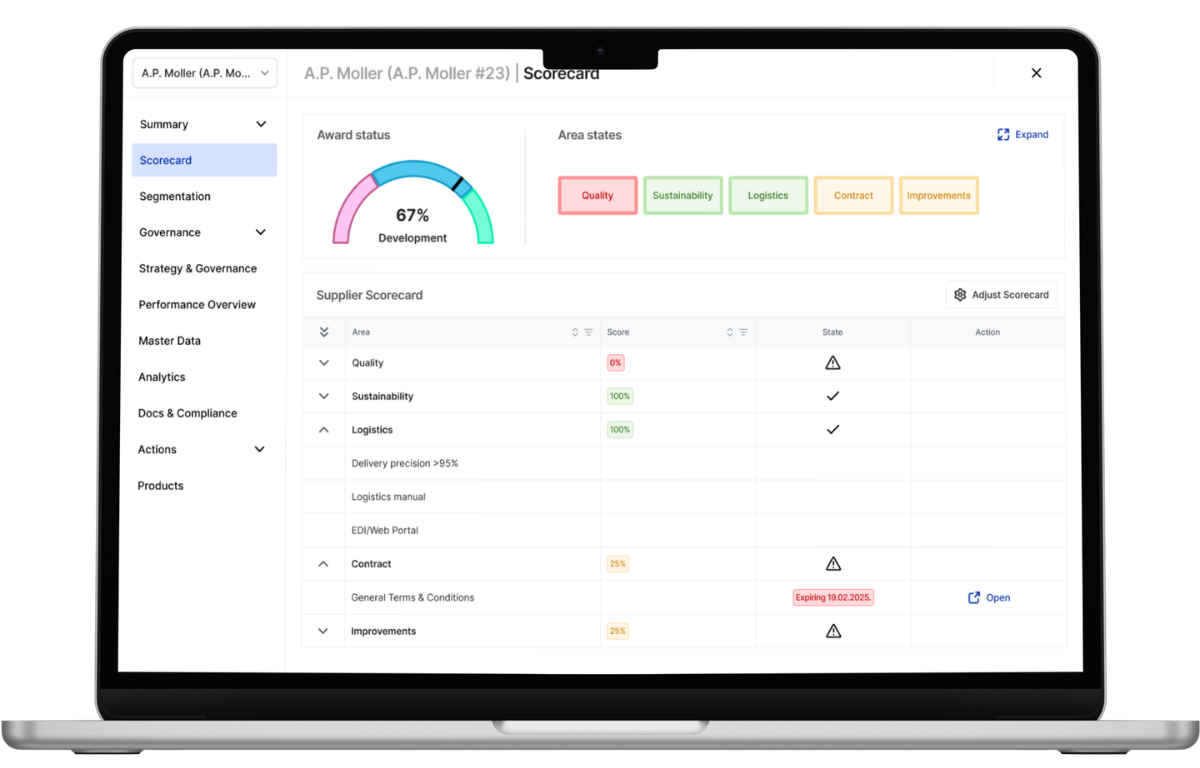
Manufacturing continuity depends on predictable delivery performance and measurable quality outcomes. Supplier performance must therefore be evaluated using delivery reliability metrics such as On-Time-In-Full (OTIF) and defect indicators such as Parts Per Million (PPM).
LeanLinking’s automated Supplier Performance Management Software consolidates delivery performance metrics with structured quality indicators derived from documented defect history (e.g., NCR). This creates formal Supplier Performance Scorecards that reflect measurable production impact rather than subjective evaluation.
When delivery reliability declines or defect rates increase, LeanLinking gives plant managers early visibility into emerging supplier risk before the assembly line is disrupted.
By replacing email-based supplier evaluations with quantifiable performance benchmarks, LeanLinking enables:
- Objective supplier segmentation
- Volume reallocation decisions
- Proactive supplier intervention
- Escalation before production stoppage
Manufacturing governance requires live metrics, not retrospective analysis.
Transition to the Operational Supplier Cockpit
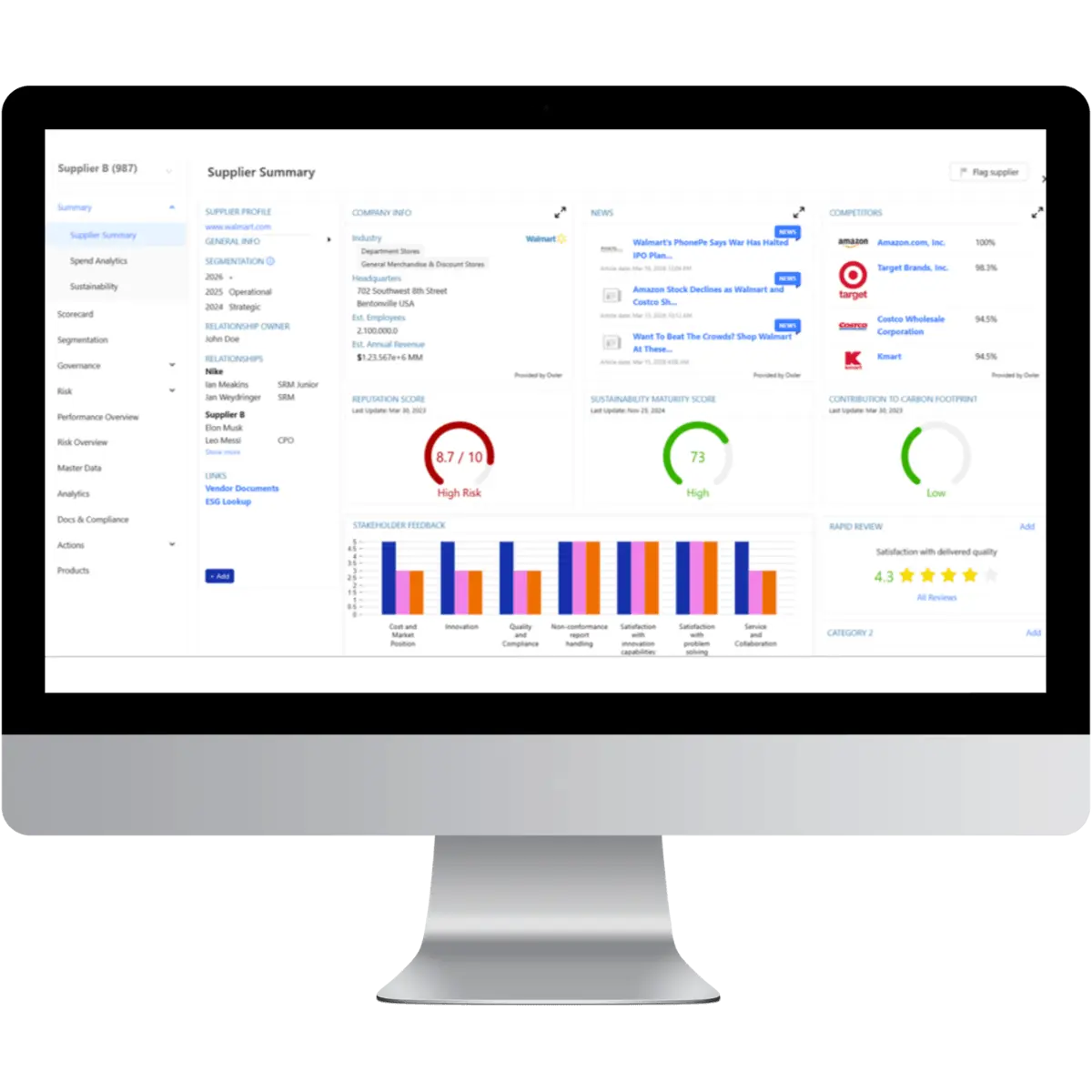
Manufacturers cannot manage supplier defects, compliance documentation, and performance oversight through spreadsheets and inbox-based tracking. LeanLinking replaces fragmented defect management with a centralized Supplier Cockpit that enforces structured governance across supplier quality, performance, and compliance.
Structured Defect Governance
LeanLinking centralizes defect management workflows so manufacturers can control quality issues before they disrupt production.
- Non-conformance reports (NCR)
- Supplier corrective action requests (SCAR)
- Root cause investigations (RCA)
- Corrective and preventive actions (CAPA)
Live Supplier Performance Monitoring
LeanLinking tracks measurable supplier performance indicators to identify deteriorating supplier reliability before production risk escalates.
- Parts Per Million defect tracking (PPM)
- Delivery reliability monitoring (OTIF)
- Defect trend visibility across suppliers
- Early identification of recurring quality failures
Centralized Supplier Governance
LeanLinking connects plant operations, procurement, and quality teams within a single supplier governance framework that ensures defects, compliance documentation, and supplier interactions remain traceable.
- Compliance documentation validation
- Safety and environmental certification tracking
- Supplier sourcing disclosures
- End-to-end audit traceability
Prevent Supplier Defects from Reaching the Factory Floor
LeanLinking enforces structured defect resolution, supplier qualification, and performance monitoring so manufacturers can prevent production disruptions and maintain continuous supplier governance.
Testimonials

"LeanLinking is a game changer for working with suppliers. For the first time we can close the supplier management cycle from strategy through governance to performance managements and supplier development."


"Our team loves easy to use interface; with Relations, we have managed to cut non-compliance resolution time by half, and migrated interactions with our vendors almost fully to LeanLinking."

Manufacturing Supplier Management FAQs
Why do manufacturers need SRM software in addition to ERP systems?
Enterprise Resource Planning systems (e.g., SAP, Oracle, Microsoft Dynamics) are designed to record internal transactions such as goods receipts, invoices, and return orders. They function as Systems of Record. They do not function as Systems of Enforcement.
An ERP can register that a shipment was rejected. However, it cannot mandate that the supplier submit a documented root cause investigation and corrective action documentation (e.g., structured root cause analysis reports, corrective and preventive action plans) before the next shipment is released.
Manufacturing supply chains require structured collaboration between the organization and its suppliers at the root cause level. ERP modules capture the financial consequence of a defect, but they do not prevent recurrence.
With LeanLinking’s dedicated SRM layer for manufacturing operates above the ERP and enforces supplier accountability through structured defect governance workflows:
- Automatic issuance of formal defect reports (e.g., non-conformance reports, quality deviation notices)
- Mandatory supplier submission of root cause documentation (e.g., investigation reports, failure analysis summaries)
- Defined corrective action validation processes (e.g., corrective and preventive action approvals)
- Deadline enforcement with escalation visibility
- Controlled case closure criteria requiring documented resolution
LeanLinking ensures that a defect case remains active in the system until the supplier submits documented root cause investigation findings and corrective action evidence, which must be reviewed and formally approved before closure.
This distinction is critical in manufacturing environments where defective components halt machines and delay outbound shipments. Transactional systems document impact, while LeanLinking’s manufacturing-focused SRM like prevents repetition.