Supplier Sustainability Software:
Automated ESG Governance & Scope 3 Collaboration
Leanlinking Supplier Sustainability software automates the collection of ESG data, aggregates Scope 3 data collection, and enforces Corrective Actions to ensure responsible sourcing. This is not annual-report software. It is an operational system that enforces compliance before reputational damage occurs.
LeanLinking functions as a structured sustainable procurement platform, ensuring sustainability governance becomes measurable, auditable, and enforceable.
Supplier Sustainability Software for Automated ESG Governance & Scope 3 Collaboration
LeanLinking’s Supplier Sustainability Software automates ESG data collection, centralizes Scope 3 emissions tracking, and enforces Corrective Actions to ensure responsible sourcing across regulated supply chains. This is not annual-report software. It is an operational governance system that enforces compliance before reputational damage occurs.
Automated Certificate Lifecycle Management
LeanLinking automates tracking of environmental and ethical certifications ISO 14001, FSC, Fair Trade, and Supplier Codes of Conduct sending automated reminders before expiry and triggering escalation workflows if renewal documentation is not uploaded.
Scope 3 Data Collection & Collaboration
LeanLinking centralizes structured Scope 3 data collection directly from suppliers via dynamic questionnaires in the Self-Service Portal covering energy consumption, waste metrics, emissions breakdowns, and packaging data to build validated carbon impact profiles.
Non-Conformance & Corrective Action Enforcement
When a supplier violates a code of conduct, fails an audit, or breaches environmental standards, LeanLinking executes a structured NCR process requiring suppliers to submit Corrective Action Plans within defined deadlines, with escalation or de-listing triggered on failure.
The Failure of Passive Reporting: The "Greenwashing" Trap
Managing sustainability through spreadsheets and static PDF reports creates a compliance illusion. When sustainability documentation sits in shared drives, procurement leaders lack real-time visibility into whether suppliers maintain certifications (e.g. ISO 14001), whether emissions data is current, whether ethical labor standards are enforced, whether corrective actions are implemented, and to what degree there are gaps in data.
Passive reporting enables “Greenwashing” risk. Regulatory scrutiny under frameworks such as the German Supply Chain Act exposes organizations to fines and public scandal. Data exists. Control does not. Data without enforcement becomes liability. LeanLinking eliminates passive reporting by embedding Automated ESG compliance directly into supplier governance workflows.
No ESG Certification Visibility
Sustainability certifications such as ISO 14001, FSC, and Fair Trade sit in shared drives with no automated tracking. Expiry goes unnoticed and compliance gaps remain invisible until an audit occurs.
No Emissions Data Control
Scope 3 emissions data is estimated rather than collected. Without structured supplier questionnaires, carbon impact profiles remain inaccurate, unvalidated, and unfit for regulatory reporting.
No Corrective Action Enforcement
When suppliers breach environmental or ethical standards, there is no structured escalation. Non-conformances are logged but never resolved creating liability without accountability.
Core Pillars of Sustainable Procurement
Automated qualification functions as a structured gatekeeper. It enforces entry standards before suppliers are approved for operational engagement.
Automated Certificate Lifecycle Management (Certificates eg. ISO 14001 & Eco-Labels)
LeanLinking operates as a compliance shield.
The platform automates tracking of environmental and ethical certifications, including:
- ISO 14001
- FSC
- Fair Trade
- Supplier Codes of Conduct
When certifications approach expiration, LeanLinking sends automated reminders to suppliers. If renewal documentation is not uploaded, escalation workflows can activate.
Good Food Group leverages LeanLinking to maintain strict sustainability and safety documentation compliance across its ingredient supply chain. Documentation remains current and audit-ready.
This is structured Automated ESG compliance that validates certificates before exposure occurs.
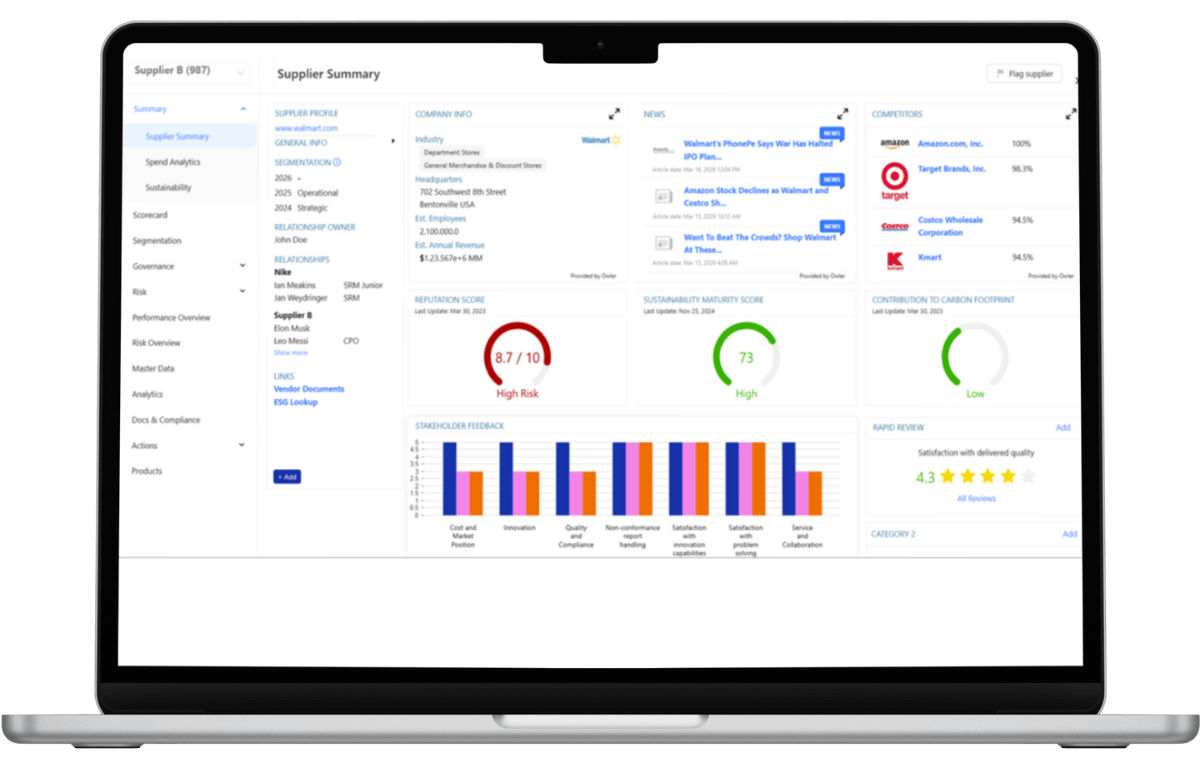
Scope 3 Data Collection & Collaboration
Scope 3 emissions represent the largest sustainability exposure for most enterprises.
Guesswork creates reporting inaccuracies.
LeanLinking centralizes structured Scope 3 data collection directly from suppliers using dynamic questionnaires within the Self-Service Portal. Suppliers submit:
- Energy consumption data
- Waste management metrics
- Emissions breakdowns
- Packaging sustainability data
LeanLinking centralizes this data to calculate structured supplier carbon impact profiles, enabling measurable supplier carbon footprint tracking.
Sustainability data becomes validated, not estimated.
Validate supplier sustainability readiness during onboarding through integrated Supplier Onboarding Software workflows.
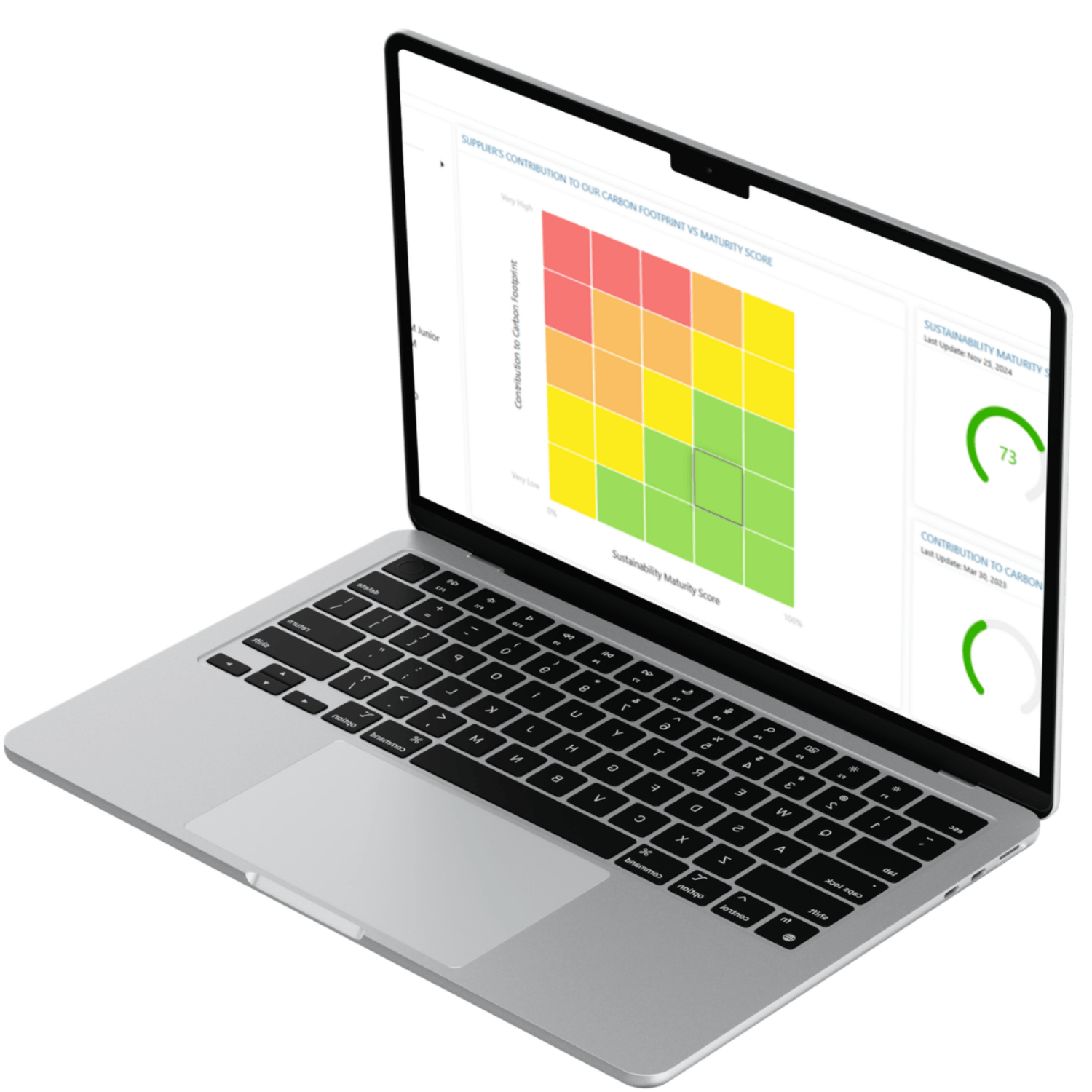
Enforcing Sustainability: Non-Conformance & Corrective Actions
Sustainability failures require enforcement.
If a supplier violates a code of conduct, fails an audit, or breaches environmental standards, LeanLinking executes a structured Non-Conformance Report (NCR) process within procurement workflows. The workflow is structured:
Violation → NCR Raised → Supplier Submits Corrective Actions → Validation → Resolution
Suppliers must submit Corrective Action Plans (CAPA) within defined deadlines. Failure triggers escalation or de-listing procedures.
LeanLinking transforms sustainability into enforceable governance.
DS Smith uses LeanLinking to drive supplier compliance and operational standards across its global network, ensuring adherence to strict sustainability expectations.
This is not assessment. It is active improvement.
Built for Regulated Supply Chains
LeanLinking’s Supplier Sustainability Software supports regulated and high-risk industries where sustainability governance defines license to operate.
 Retail/FMCG
 Food & Beverage
 Manufacturing
From Passive Reporting to Automated ESG Governance
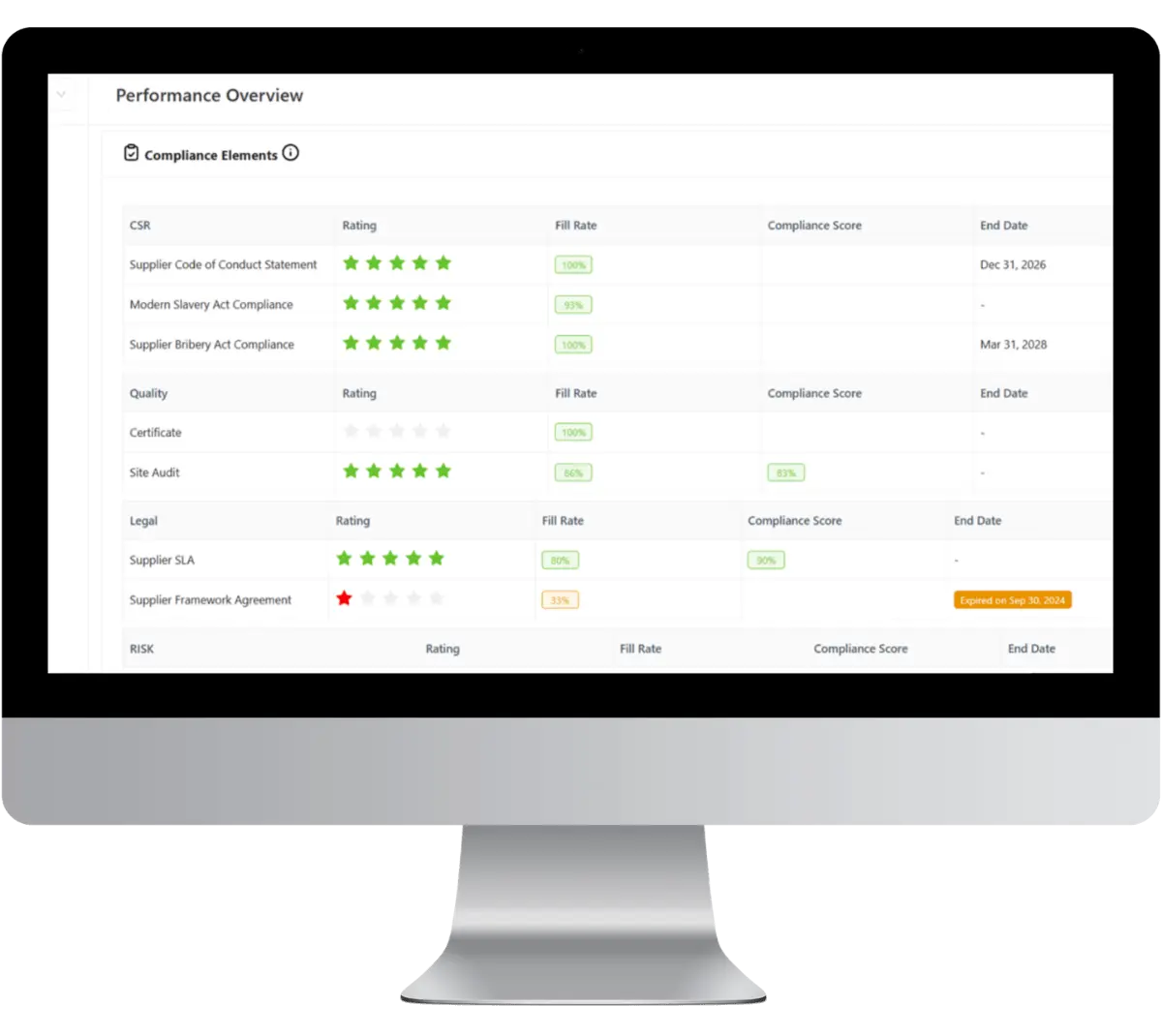
LeanLinking transforms sustainability from a documentation exercise into an operational governance system. ESG data, certifications, and corrective actions are validated, enforced, and auditable across the entire supplier lifecycle before regulatory exposure occurs.
Automated Certificate Lifecycle Management
LeanLinking automates tracking of environmental and ethical certifications including ISO 14001, FSC, Fair Trade, and Supplier Codes of Conduct. Automated reminders are sent to suppliers before expiry. If renewal documentation is not uploaded, escalation workflows activate ensuring certifications remain current and audit-ready before exposure occurs.
Structured Scope 3 Data Collection
LeanLinking centralizes Scope 3 data collection directly from suppliers using dynamic questionnaires within the Self-Service Portal. Suppliers submit energy consumption data, waste management metrics, emissions breakdowns, and packaging sustainability data. This builds validated supplier carbon impact profiles replacing estimation with measurable, reportable data.
Non-Conformance & Corrective Action Enforcement
When a supplier violates a code of conduct, fails an audit, or breaches environmental standards, LeanLinking executes a structured NCR process. Suppliers must submit Corrective Action Plans within defined deadlines. Failure triggers escalation or de-listing procedures. Sustainability becomes enforceable governance not passive assessment.
Take Your Supplier Sustainability from Passive Reporting to Enforced ESG Governance
LeanLinking replaces spreadsheet-based sustainability tracking with automated ESG compliance, structured Scope 3 data collection, and corrective action enforcement that ensures suppliers meet your standards before regulatory exposure occurs.
Testimonials

"LeanLinking is a game changer for working with suppliers. For the first time we can close the supplier management cycle from strategy through governance to performance managements and supplier development."


"Our team loves easy to use interface; with Relations, we have managed to cut non-compliance resolution time by half, and migrated interactions with our vendors almost fully to LeanLinking."

Supplier Sustainability FAQs
Why are ESG ratings not enough for supplier sustainability governance?
ESG rating agencies provide sustainability scores. They do not provide enforcement. Knowing a supplier holds a weak sustainability rating does not rectify non-compliance. It does not reduce emissions. It does not enforce ethical sourcing.
LeanLinking transforms ratings into operational improvement. LeanLinking integrates sustainability requirements directly into the Supplier Portal, allowing procurement teams to:
- Assign remediation tasks
- Enforce compliance deadlines
- Track corrective action progress
- Block contract renewal for unresolved violations
LeanLinking acts as responsible sourcing software that rectifies issues instead of simply documenting them.