Supply Chain Risk Management Software:
Automated Compliance & Operational Resilience
LeanLinking Supply Chain Risk Management monitors and automates compliance artifacts (ISO, ESG, Insurance docs etc.), tracks operational deviations/non-conformance (NCRs), and validates supplier master data to prevent supply disruptions and regulatory fines. In regulated industries such as Manufacturing, Pharma, and Food & Beverage, risk is measured in failed audits, production stoppages, and negative news headlines.
Supply Chain Risk Management Software for Automated Compliance & Operational Resilience
LeanLinking’s Supply Chain Risk Management Software monitors and automates compliance artifacts, tracks operational deviations and non-conformances, and validates supplier master data to prevent supply disruptions and regulatory fines. Unlike macro-risk alert platforms, this supply chain resilience platform enforces audit readiness by embedding compliance controls directly into procurement workflows.
Automated Certificate Lifecycle Management
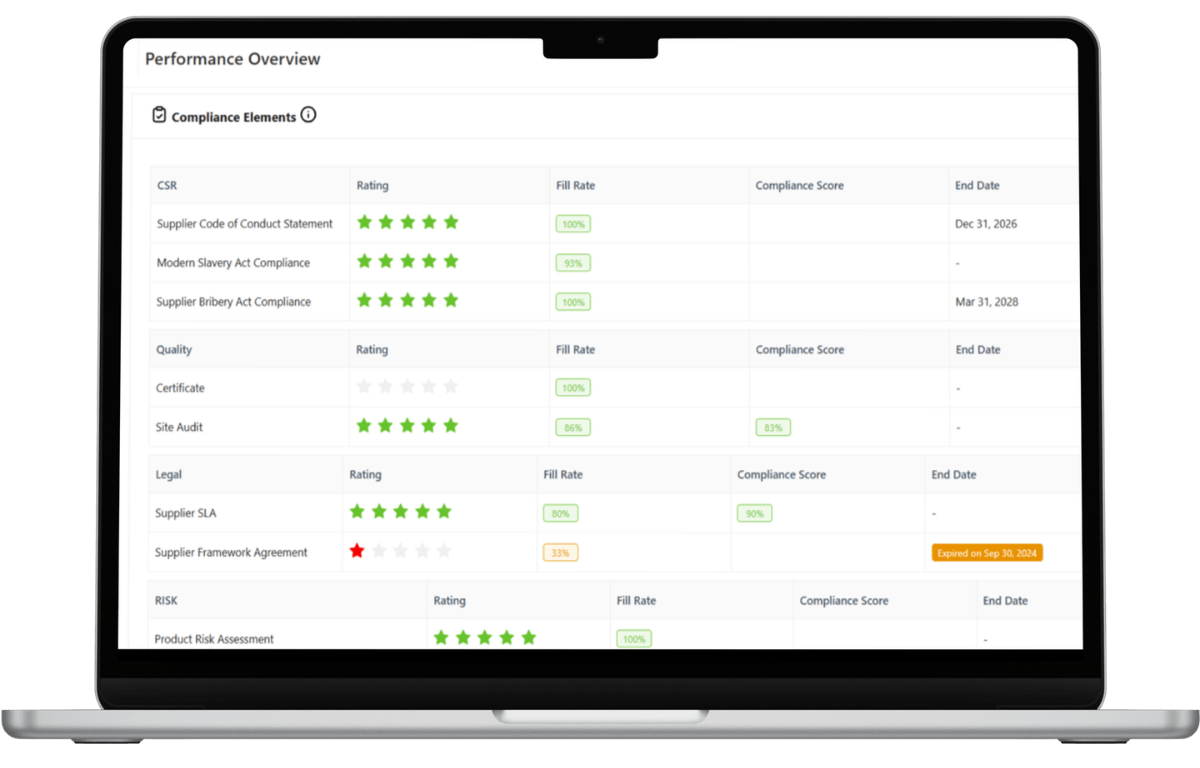
LeanLinking centralizes compliance artifacts into a structured vault tracking expiry dates for certificates, insurance policies, ESG declarations, and Codes of Conduct. Automated reminders are sent to suppliers before expiration. If documentation is not renewed, escalation workflows activate and non-compliant suppliers can be restricted from use.
Operational Risk Monitoring
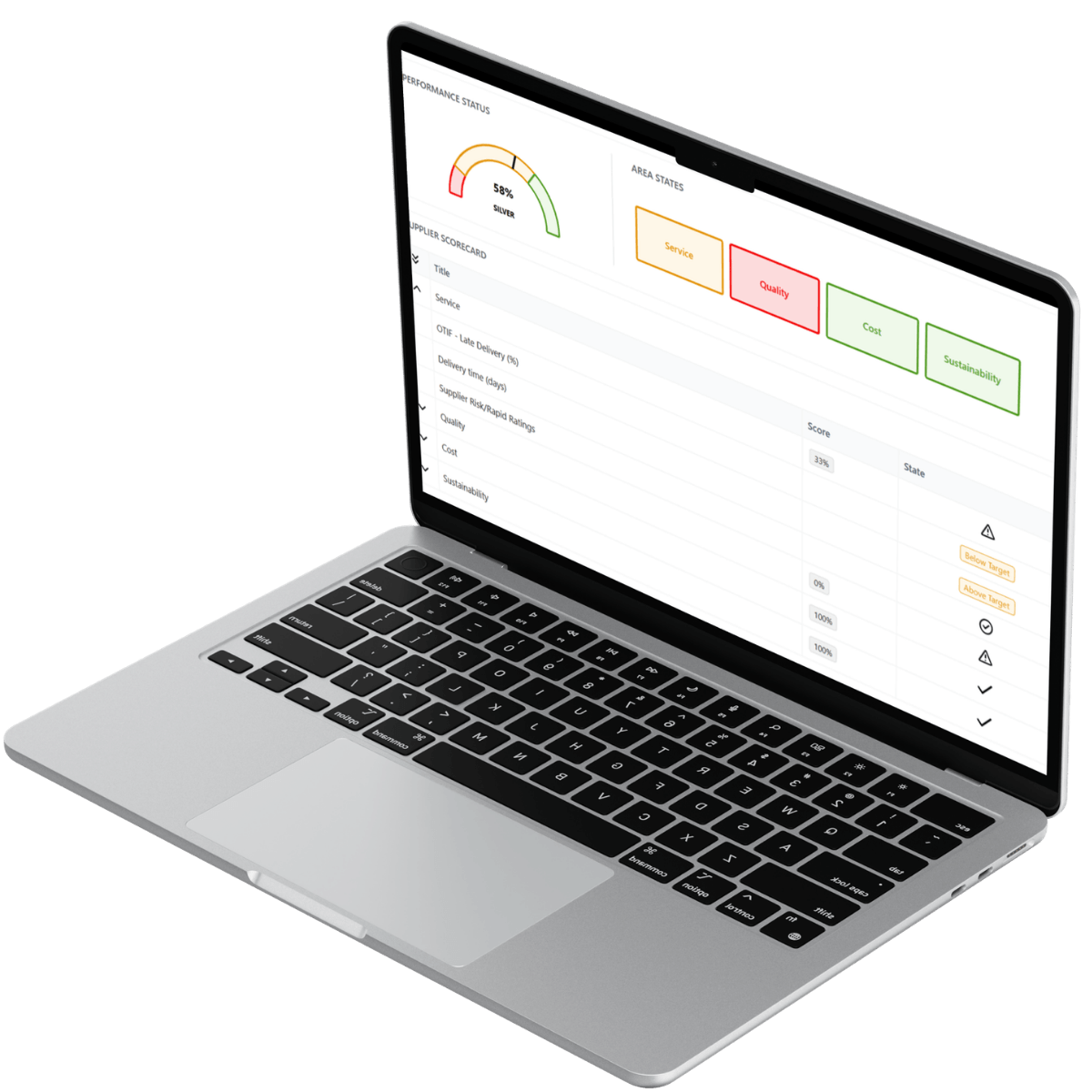
LeanLinking continuously tracks delivery performance (OTIF), quality deviations (NCR trends), and supplier response times. Deterioration trends are visualized through supply chain risk management reporting analytics enabling procurement teams to identify risk trajectories before they trigger supply interruptions or audit findings.
Supplier Pre-Qualification & Due Diligence
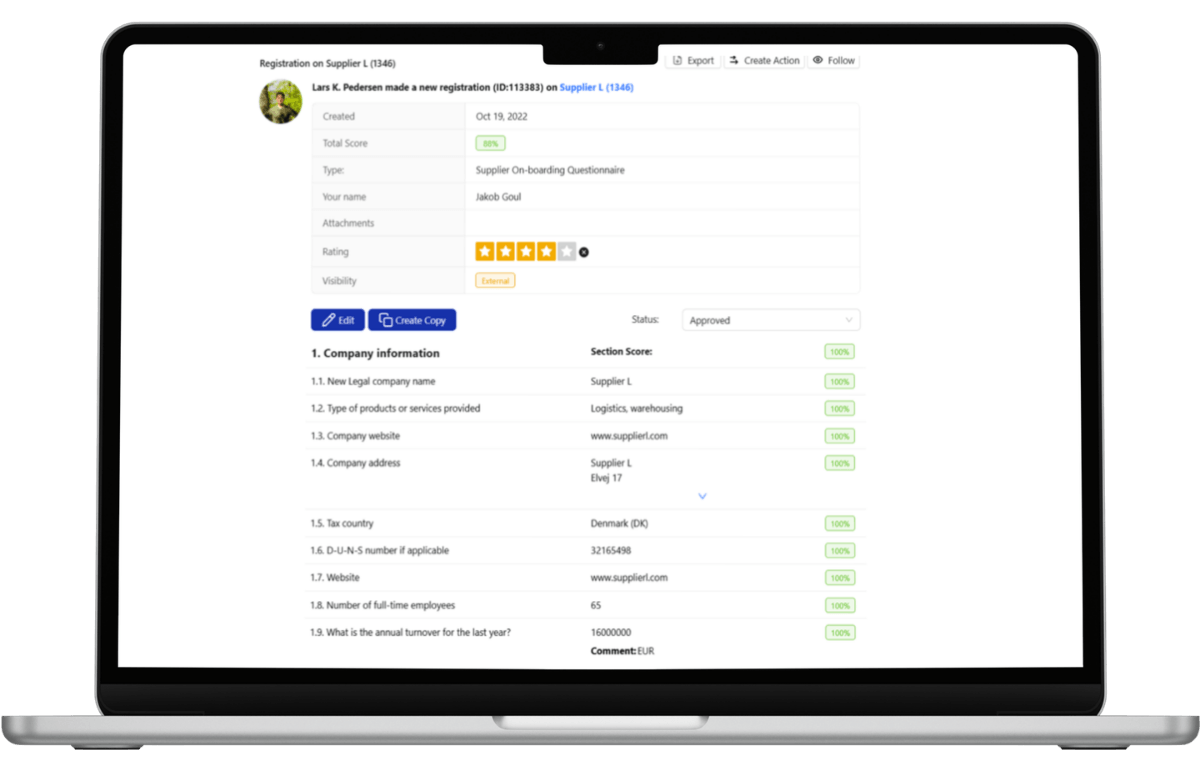
LeanLinking enforces structured onboarding controls through built-in vendor risk assessment tools. Suppliers cannot be activated until they upload validated certifications, confirm financial health, submit ESG compliance documentation, and complete standardized due diligence questionnaires.
The Failure of Manual Risk Management: Hidden Threats in Excel
Managing supplier risk through spreadsheets, shared drives, and email reminders creates compliance blind spots. Expiry dates live in disconnected files. Insurance certificates are buried in inboxes. Non-Conformance Reports sit isolated from performance metrics. You often discover an expired certificate only when an auditor requests it.
Reactive systems depend on luck. Proactive systems depend on automated compliance tracking that flags risk before it becomes liability. LeanLinking provides a governance engine that centralizes documentation, validates supplier eligibility, and blocks transactions with non-compliant vendors eliminating blind spots before they trigger audit findings or supply disruptions.
No Certificate Tracking
Expiry dates for certifications, insurance policies, and ESG declarations are stored in disconnected files with no automated monitoring. Compliance gaps go undetected until an auditor requests documentation that no longer exists.
No Escalation on Compliance Gaps
Non-Conformance Reports sit isolated from performance metrics with no structured escalation. Missing insurance documentation and lapsed certifications remain open indefinitely creating liability with no resolution path.
No Audit Trail or Visibility
Without centralized documentation, procurement teams have no real-time visibility into supplier eligibility. Audit trails are incomplete, risk is managed reactively, and compliance failures surface only after operational damage has occurred.
Core Pillars of Automated Risk Mitigation
Automated qualification functions as a structured gatekeeper. It enforces entry standards before suppliers are approved for operational engagement.
Automated Certificate Lifecycle Management (The Regulatory Vault)
When certifications expire unnoticed, risks arise.
LeanLinking centralizes compliance artifacts into a structured vault. The system tracks expiry dates for:
- All kinds of certificates
- Insurance policies
- ESG declarations
- Code of Conduct
Suppliers receive automated reminders before expiration. If documentation is not renewed, the system escalates alerts, and uncompliant suppliers can be restricted from use.
LeanLinking includes supplier audit functionalities that ensure documentation is logged, timestamped, and retrievable during inspections.
Good Food Group leverages the platform to maintain 100% audit readiness for food safety certifications across its ingredient supply chain and more.
Compliance is not stored. It is enforced.
Operational Risk Monitoring (NCRs & Performance Trends)
Risk is not only regulatory; but also operational.
LeanLinking continuously tracks:
- Delivery (On-Time In-Full (OTIF)) trends & Quality (Non-Conformance (NCR)) trends
- Supplier response times
A supplier with declining delivery performance below threshold is a disruption waiting to happen. A rising defect rate signals recall risks.
The platform visualizes deterioration trends through supply chain risk management reporting analytics, enabling procurement teams to identify risk trajectories before impact.
LeanLinking centralizes direct access to structured Supplier Performance Scorecards that aggregate real-time ERP data and convert KPIs into enforceable governance metrics.
Monitoring detects exposure. Trend enforcement prevents it.
Supplier Pre-Qualification & Due Diligence
Risk in the supply chain should always be tracked.
LeanLinking enforces structured onboarding controls through built-in vendor risk assessment tools. Suppliers cannot be open for business until they e.g.:
- Upload validated certifications
- Confirm financial health
- Submit ESG compliance documentation
- Complete standardized due diligence questionnaires
The system blocks activation until selected compliance thresholds are met.
DS Smith uses LeanLinking to streamline pre-qualification and ensure only compliant suppliers enter its global supply chain.
This is proactive risk governance management, not reactive cleanup.
Built for Regulated Supply Chains
This Supply Chain Risk Management Software is engineered for environments where compliance failure triggers regulatory penalties and operational shutdowns.
 Pharma
 Food & Beverage
 Manufacturing
From Risk Identification to Corrective Action Enforcement
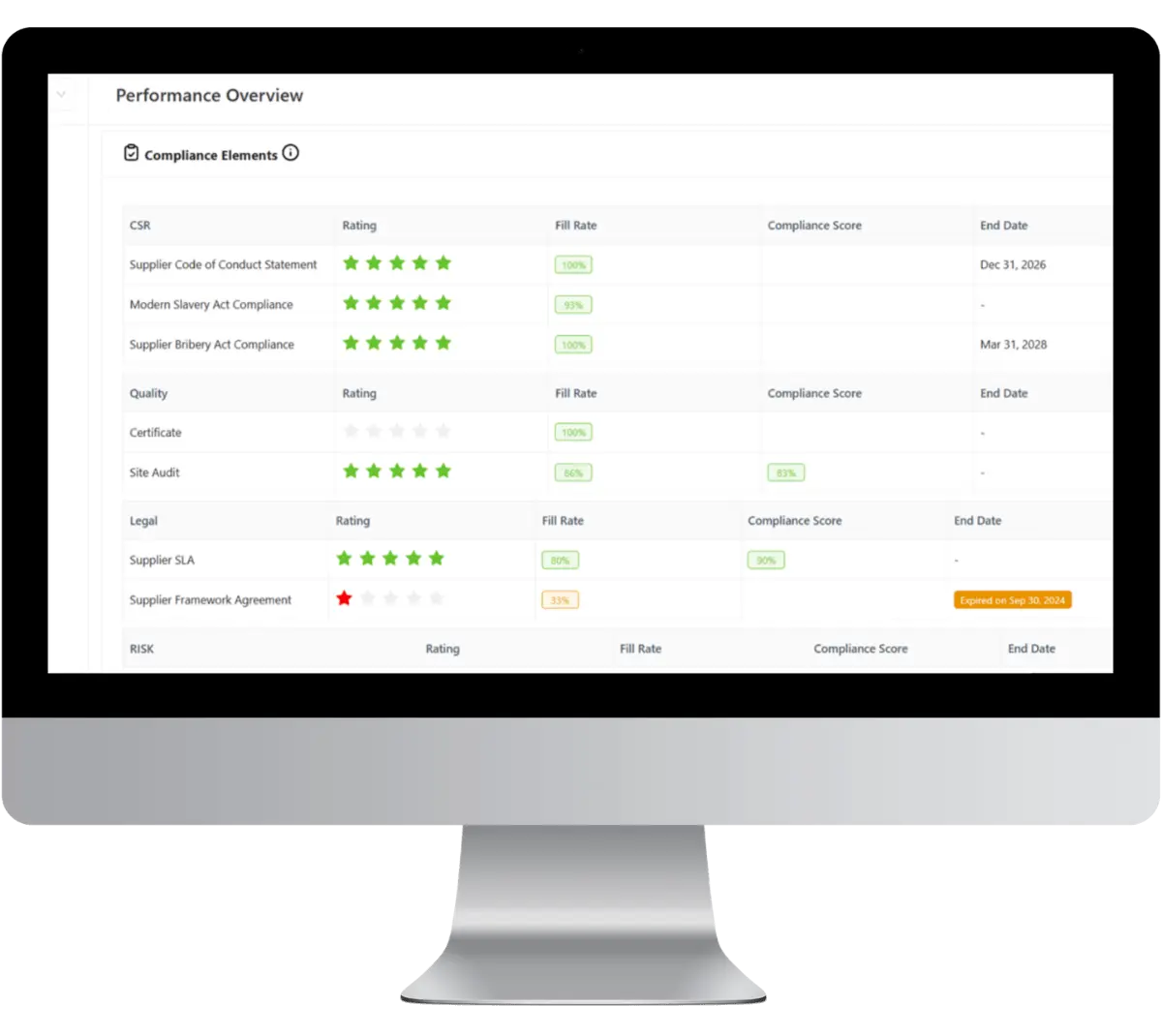
LeanLinking converts supply chain risk monitoring into operational enforcement. Compliance artifacts, operational deviations, and supplier performance data are centralized, validated, and auditable across the entire supplier lifecycle before disruptions reach production or regulators reach your inbox.
Automated Certificate Lifecycle Management
LeanLinking centralizes all compliance artifacts into a structured regulatory vault tracking expiry dates for certificates, insurance policies, ESG declarations, and Codes of Conduct. Automated reminders are sent to suppliers before expiration. If documentation is not renewed, escalation workflows activate and non-compliant suppliers can be restricted from transacting until compliance is restored.
Operational Risk Monitoring
LeanLinking continuously tracks delivery performance (OTIF), quality deviation trends (NCRs), and supplier response times. Deterioration trends are visualized through supply chain risk management reporting analytics enabling procurement teams to identify risk trajectories before they trigger supply interruptions, production stoppages, or audit findings.
Supplier Pre-Qualification & Due Diligence
LeanLinking enforces structured onboarding controls through built-in vendor risk assessment tools. Suppliers cannot be activated until they upload validated certifications, confirm financial health, submit ESG compliance documentation, and complete standardized due diligence questionnaires. The system blocks activation until all compliance thresholds are met.
Take Your Supply Chain Risk Management from Reactive Cleanup to Proactive Enforcement
LeanLinking replaces manual risk tracking with automated compliance monitoring, structured vendor risk assessment, and corrective action enforcement that ensures non-compliant suppliers are identified, escalated, and resolved before regulatory exposure or supply disruption occurs.
Testimonials

"LeanLinking is a game changer for working with suppliers. For the first time we can close the supplier management cycle from strategy through governance to performance managements and supplier development."


"Our team loves easy to use interface; with Relations, we have managed to cut non-compliance resolution time by half, and migrated interactions with our vendors almost fully to LeanLinking."

Supply Chain Risk FAQs
Why are vendor risk alert tools not enough for supply chain risk management?
Many tools marketed as vendor risk assessment tools focus on external alerts, financial instability, geopolitical disruptions, and weather events. While useful, they overlook operational risks inside your control:
- Expired certifications
- Lapsed insurance coverage
- Increasing defect rates (PPM)
- Declining delivery (OTIF) performance
- Open corrective actions with no closure
These are operational risks. They trigger audit findings and supply interruptions. LeanLinking focuses on operational risk monitoring. It enforces compliance at the order/product level, ensuring no business is done with a risky supplier. This is not passive reporting. It is proactive governance.
To understand the difference between financial tracking and operational enforcement, read our guide on [Supplier Relationship Management vs. ERP]