SRM Software for Retail & FMCG:
Enforce Supplier Performance and ensure Supply Chain Resilience
LeanLinking is a specialized SRM Software for Retail & FMCG that centralizes supplier master data, automates the lifecycle of sustainability documentation (e.g., Codes of Conduct, ethical labor audits), and strictly enforces measuring supplier delivery service metrics (e.g., OTIF, fill rates) to guarantee shelf availability across consumer-driven supply chains.
Purpose-Built SRM Software for Retail & FMCG Supplier Governance
LeanLinking is a specialized SRM Software for Retail & FMCG that centralizes supplier master data, automates the lifecycle of sustainability documentation (e.g., Codes of Conduct, ethical labor audits), and strictly enforces supplier delivery service metrics (e.g., OTIF, fill rates) to guarantee shelf availability across consumer-driven supply chains. The platform aggregates supplier performance data, validates sustainability documentation, and enforces supplier accountability before stockouts or labor violations damage brand equity.
Automated Scorecards & Shelf Availability Enforcement
LeanLinking aggregates ERP output to report on supplier delivery service metrics (OTIF, fill rates), defect rates, supplier margins, and sustainability scores giving category managers objective visibility to identify unreliable vendors instantly and activate contingency sourcing before out-of-stocks occur.
Pre-Qualification & Ethical Labor Compliance
LeanLinking enforces a strict No Document, No PO standard for private label manufacturers centralizing and validating Supplier Codes of Conduct, ethical labor audits, and compliance declarations before supplier activation. High-risk vendors are blocked before brand exposure occurs.
Digital Audits & Brand Protection Workflows
LeanLinking digitizes Non-Conformance Reports for product specification deviations, packaging non-compliance, ethical sourcing violations, and labor standard breaches transforming reactive ESG reporting into continuous retail supply chain risk management.
The Failure of Manual Management: Empty Shelves and Brand Reputation Risks
Managing fast-moving supply chains via decentralized Excel spreadsheets and Outlook threads creates structural blind spots. When supplier delivery delays are buried in inboxes and supplier quality remains unmeasured, the result is predictable: chronic out-of-stocks during peak seasons, disrupted promotional launches, reduced shelf availability, lost consumer trust, and margin erosion due to reactive sourcing. Spreadsheets do not enforce supplier accountability. Email threads do not escalate declining OTIF trends. Manual trackers do not protect brand reputation.
Beyond logistics, ethical sourcing exposure creates reputational vulnerability. When sustainability documentation such as Supplier Codes of Conduct, ethical labor audits, and site audit reports is tracked manually, expiration dates pass unnoticed and labor violations surface publicly before internal governance identifies them. The result is devastating brand reputation damage, media scrutiny, and erosion of consumer trust. Without structured retail supply chain risk governance, operational blind spots multiply and so do risks.

No Shelf Availability Enforcement
Supplier delivery delays and declining OTIF performance are buried in inboxes with no automated escalation. Procurement teams discover out-of-stock risks only after peak season shelves are already empty and revenue has transferred to competitors.

No Ethical Sourcing Visibility
Sustainability documentation including Codes of Conduct, ethical labor audits, and site audit reports is tracked manually. Expiration dates pass unnoticed and labor violations surface publicly before internal governance has identified or addressed them.

No Supplier Accountability Structure
Without consolidated performance data and escalation workflows, supplier accountability depends on emails and manual trackers. Non-compliance persists, promotions fail, and brand reputation is exposed to preventable operational failures.

Regulatory and Operational Risk
These blind spots increase the likelihood of inspection findings, warning letters, product recalls, and production delays caused by incomplete supplier compliance documentation.
Core Pillars of Retail & FMCG Supplier Governance
Retail & FMCG supplier governance requires disciplined control across shelf availability enforcement, ethical sourcing documentation, and supplier delivery performance across consumer-driven supply chains.
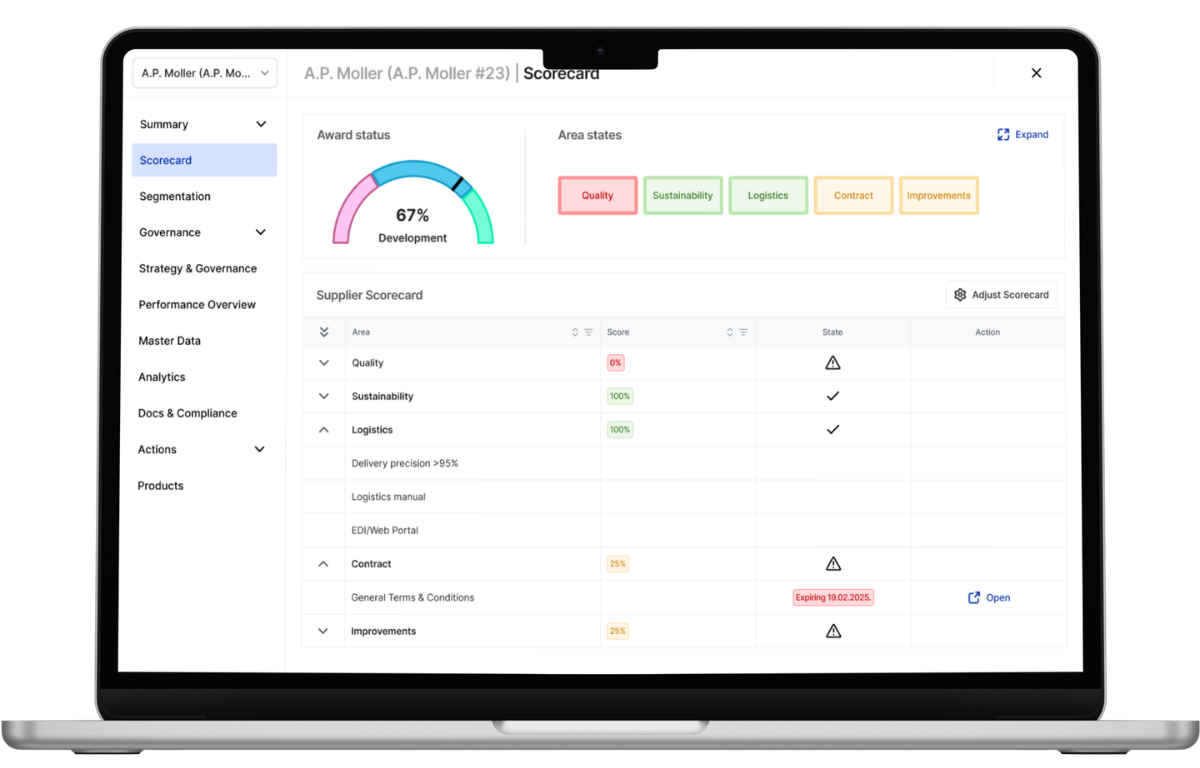
Automated Scorecards for supplier performance and compliance management
To ensure product supply during peak seasons, category managers must deploy automated Supplier Performance Management Software to replace subjective email feedback with validated data.
LeanLinking aggregates ERP output and reports on:
- Supplier margins
- Supplier delivery service metrics (e.g., OTIF, fill rates)
- Supplier defects
- Supplier Sustainability Score
These automated scorecards provide objective visibility across the entire supplier landscape. Retail buyers identify unreliable vendors instantly and activate contingency sourcing before out-of-stocks occur.
This structured governance model enforces shelf availability across fast-moving categories and protects time-to-market during promotional cycles.
Pre-Qualification and Ethical Labor Compliance
Eliminate high-risk vendors at the point of entry by utilizing automated Supplier Onboarding Software that enforces a strict “No Document, No PO” standard for private label manufacturers and suppliers.
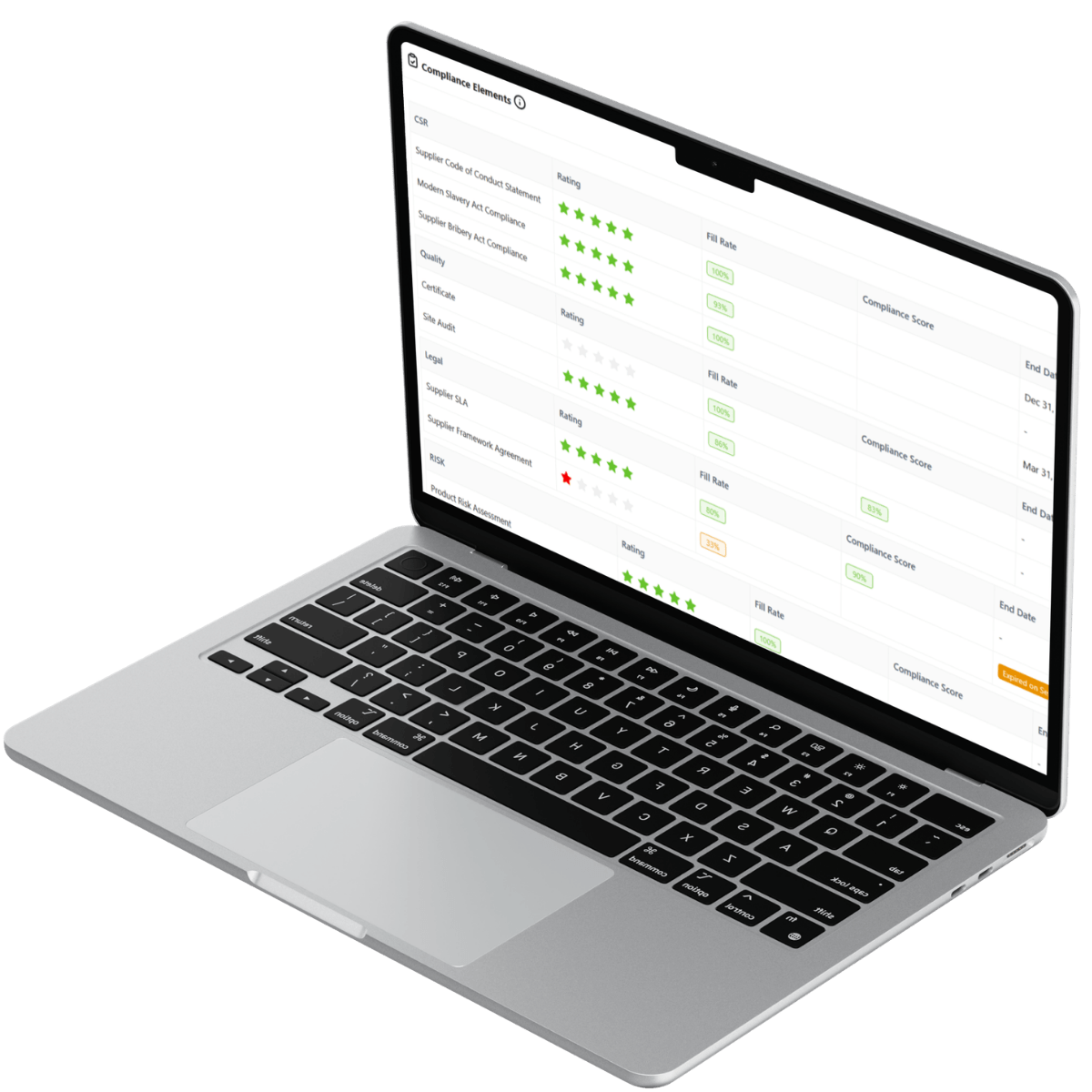
LeanLinking centralizes and validates sustainability documentation (e.g., Supplier Codes of Conduct, ethical labor audits, audit reports) before supplier activation. The platform:
- Collects mandatory supplier compliance documents
- Validates documentation completeness
- Tracks expiry and renewal timelines
- Escalates missing sustainability certificates
- Maintains unalterable audit trails
Private label supplier management requires rigorous ethical sourcing controls. When sustainability compliance is embedded into onboarding workflows, high-risk suppliers are blocked before brand exposure occurs.
This governance framework protects both revenue continuity and brand reputation integrity.
Pre-Qualification and Objective Performance Scorecards
Supplier compliance oversight begins before first shipment. LeanLinking enforces structured supplier onboarding workflows that require suppliers to submit regulatory documentation (e.g., GMP certifications, quality standards, controlled process declarations) before supplier approval and activation. Suppliers self-validate required information through controlled forms, reducing manual data entry errors.
DS Smith partnered with LeanLinking to centralize supplier data, monitor performance, and automate compliance documentation validation across complex supply chains. This structured oversight reduced compliance blind spots and strengthened audit transparency across global supplier networks.
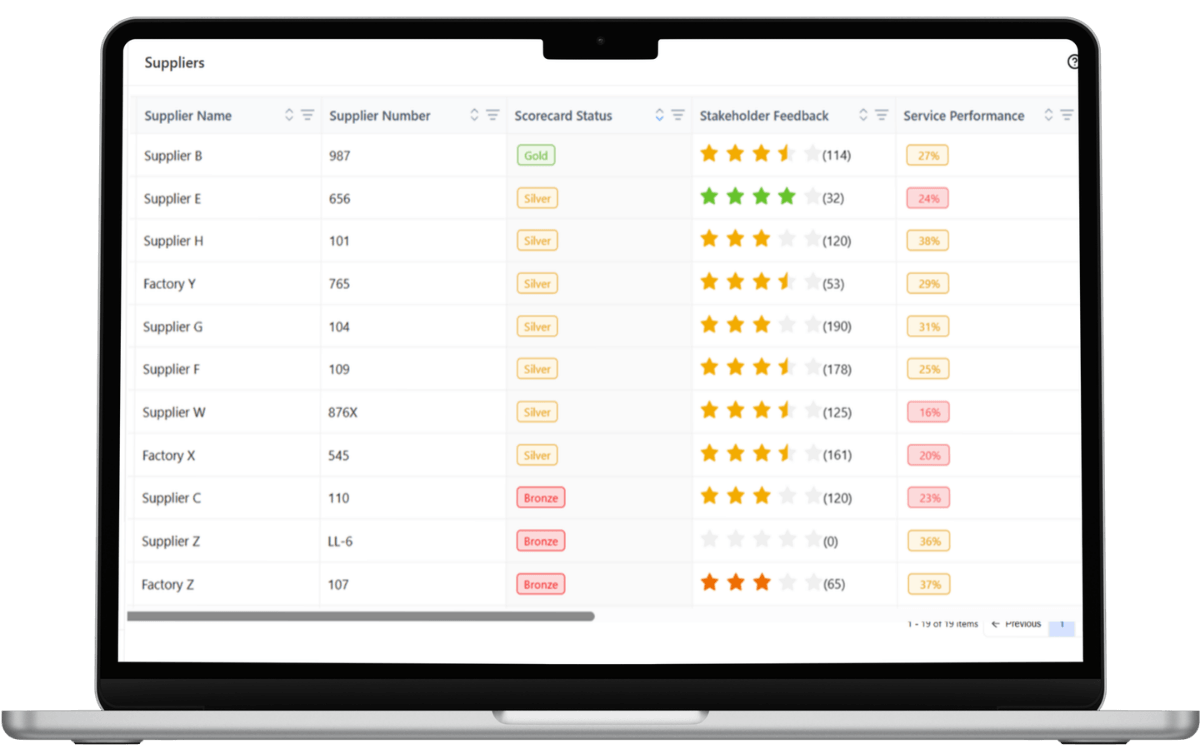
Post-qualification, LeanLinking consolidates measurable delivery performance indicators (e.g., OTIF adherence) with structured compliance metrics to generate risk-based supplier segmentation.
With LeanLinking, Quality Assurance and Procurement leaders gain objective visibility into which suppliers maintain strong documentation discipline and operational reliability. Compliance oversight becomes more measurable than assumed.
Transition to the Operational Supplier Cockpit
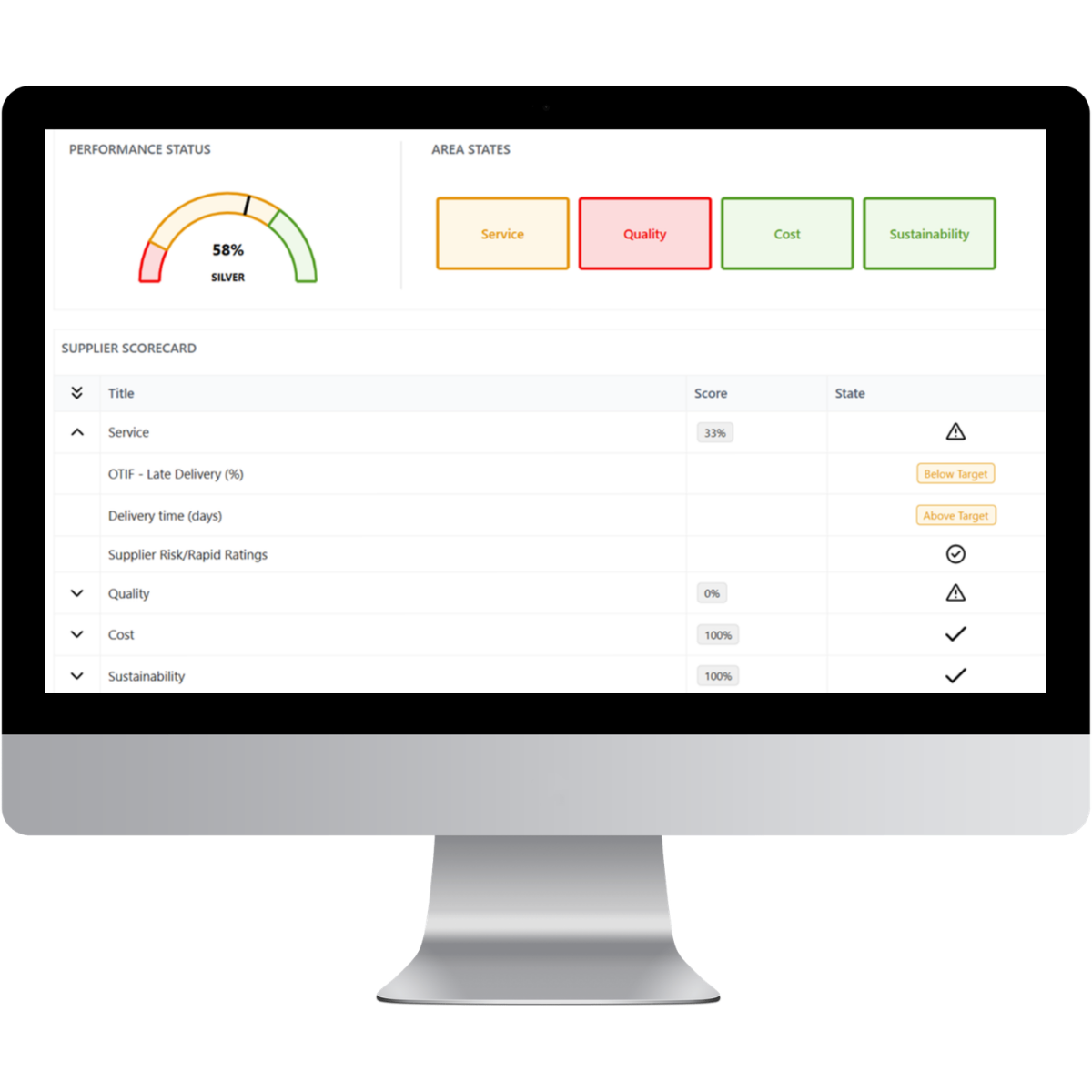
Retail and FMCG sourcing teams managing fast-moving categories require a centralized supplier governance infrastructure. To execute supplier oversight at scale, protect brand reputation, and accelerate speed-to-market, organizations must replace fragmented spreadsheets with a centralized Supplier Cockpit that enforces compliance and delivery reliability continuously. SRM Software for Retail & FMCG is not administrative support software. It is a supplier governance engine for consumer-facing supply chains where brand reputation and availability define competitive survival.
Centralized Supplier Master Data & Delivery Enforcement
LeanLinking centralizes supplier master data and enforces measuring delivery service metrics including OTIF and fill rates across the entire supplier base. Retail buyers gain continuous visibility into delivery reliability identifying underperforming vendors before peak season timelines collapse and shelf availability is compromised.
Sustainability Documentation Validation
LeanLinking validates sustainability documentation including Codes of Conduct and ethical labor audits before supplier activation and continuously throughout the supplier lifecycle. Expiry tracking and automated escalation ensure documentation remains current protecting brand reputation before labor violations surface publicly.
Non-Conformance & Corrective Action Workflows
LeanLinking digitizes supplier non-conformance and corrective action workflows across product specification deviations, packaging non-compliance, and ethical sourcing violations. In retail, empty shelves lose revenue. In FMCG, ethical lapses destroy brand equity. LeanLinking enforces the standards that prevent both.
Take Your Retail & FMCG Supplier Management from Fragmented Spreadsheets to Enforced Shelf Availability Governance
LeanLinking replaces decentralized Excel tracking and email-based supplier management with automated delivery performance enforcement, structured ethical sourcing documentation, and corrective action workflows that protect brand reputation and guarantee shelf availability across consumer-driven supply chains.
Testimonials

"LeanLinking is a game changer for working with suppliers. For the first time we can close the supplier management cycle from strategy through governance to performance managements and supplier development."


"Our team loves easy to use interface; with Relations, we have managed to cut non-compliance resolution time by half, and migrated interactions with our vendors almost fully to LeanLinking."

Pharmaceutical Compliance FAQs
Why can't ERP systems ensure shelf availability and ethical sourcing compliance in retail and FMCG supply chains?
ERP systems such as SAP and Oracle operate as passive Systems of Record. They process purchase orders. They track invoices. They record goods receipts. They do not proactively govern supplier performance. They do not enforce ethical compliance. They do not guarantee shelf availability.
Transactional systems capture financial history. They do not enforce measuring delivery service metrics (e.g., OTIF, defects) as a continuous governance framework. They do not block non-compliant private label suppliers. They do not escalate supplier sustainability document expiry.
LeanLinking operates above ERP infrastructure as an active System of Engagement. It aggregates live performance data, monitors sustainability documentation, and enforces supplier accountability before a late delivery empties store shelves.
Where ERP records transactions, SRM Software for Retail & FMCG protects brand continuity.
How does LeanLinking accelerate speed-to-market in retail and FMCG supply chains?
Retail and FMCG sourcing operate under compressed product lifecycles. New launches demand accelerated supplier activation and validated compliance documentation before distribution. Without enforced governance, promotional calendars collapse under delivery inconsistencies and compliance lapses.
LeanLinking enforces accelerated supplier onboarding with compliance validation, continuous measuring of supplier delivery service metrics (e.g., OTIF, fill rates) and quality performance, structured sustainability documentation, and governance for private label production.
Speed-to-market requires structured and fact-based supplier management. LeanLinking protects shelf availability across consumer-driven supply chains where reliability determines brand preference.