
Pharma Supply Chain Challenges: 8 Risks and How to Manage Them
Learn to overcome pharma supply chain challenges by reducing supplier risk, improving quality, strengthening compliance, and building resilience.
Manufacturing Supply Chain Challenges: 8 Risks and How to Manage Them
Manufacturing supply chain challenges can disrupt production and increase risk. Learn 8 practical strategies to build a more resilient supply chain.
5 Steps to Manage Supplier Risk and Certification Requirements for Ethical Compliance
Discover how to transform scattered documentation into a cohesive governance system that not only protects your organization from compliance failures but also enhances supplier relationships. Learn how proactive governance can help you stay ahead of potential risks and ensure your suppliers meet the highest standards of ethical and legal conduct. Dive in to explore more!
Supplier Quality Management: 5 Steps to Reduce Supplier Defects and Improve Quality
Learn how to improve supplier quality management through NCRs, CAPAs, audits, supplier scorecards, and continuous improvement.
Supplier Segmentation: 5 Steps to Categorize and Govern Suppliers
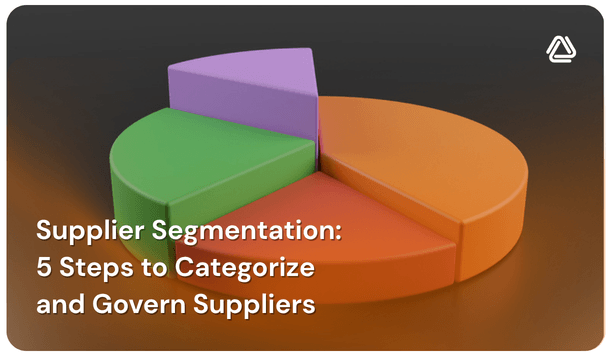
Learn how to segment suppliers by risk, criticality, and performance. Build a supplier segmentation framework that improves governance and procurement decisions.
How to Enforce a Supplier Code of Conduct in Regulated Supply Chains: 4 Steps to Continuous Compliance
Most procurement teams believe they enforce a supplier code of conduct. What they actually enforce is a signature. A vendor signs during onboarding, the PDF gets filed, and six months later a living wage declaration lapses or a SMETA certificate expires with no one notified. The violation surfaces during a failed ESG audit not before.
This guide covers the 4-step framework for moving beyond the signature and into continuous obligation monitoring.
Supplier Onboarding Process: 5 Steps to Compliance and Qualification
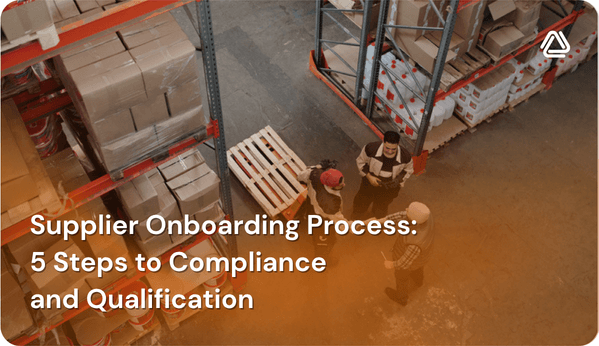
Learn how to build an effective supplier onboarding process. Discover how to qualify suppliers, verify documentation, reduce risk, and maintain compliance in regulated supply chains.
How to Manage Supplier Contracts in 4 Steps for Regulated Supply Chains

Supplier contract management is the systematic operational discipline of centralizing, monitoring, and enforcing a vendor’s contractual obligations throughout the entire supplier relationship lifecycle. Unlike passive ERP contract storage, a centralized enforcement layer actively tracks SLA terms, automates renewal alerts at 90, 60, and 30 days before expiry, and blocks purchase orders against lapsed agreements. This guide covers the 4-step framework procurement teams in manufacturing, pharma, food and beverage, and chemicals use to establish continuous contract compliance and eliminate obligation breaches before they become audit findings.
How to Improve Supplier Collaboration for Regulated Supply Chain in 5 Steps
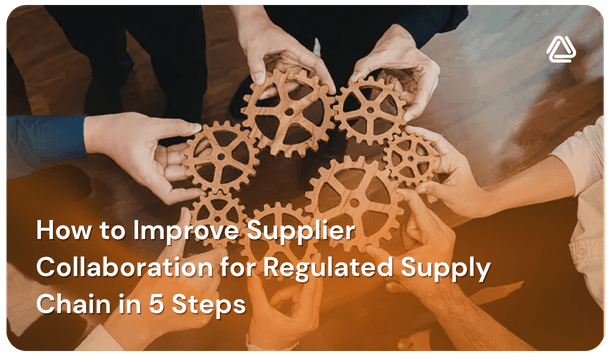
Improving supplier collaboration in regulated supply chains requires more than frequent communication. This guide breaks down a 5-step operational framework covering joint business planning, cross-functional supplier portals, two-way scorecards, joint defect resolution, and supplier-led innovation.
4 Core Pillars for How to Manage Suppliers Effectively in Regulated Industries
Learn the 4 core pillars for effective supplier management, including compliance governance, scorecards, CAPA workflows, and supplier risk control.